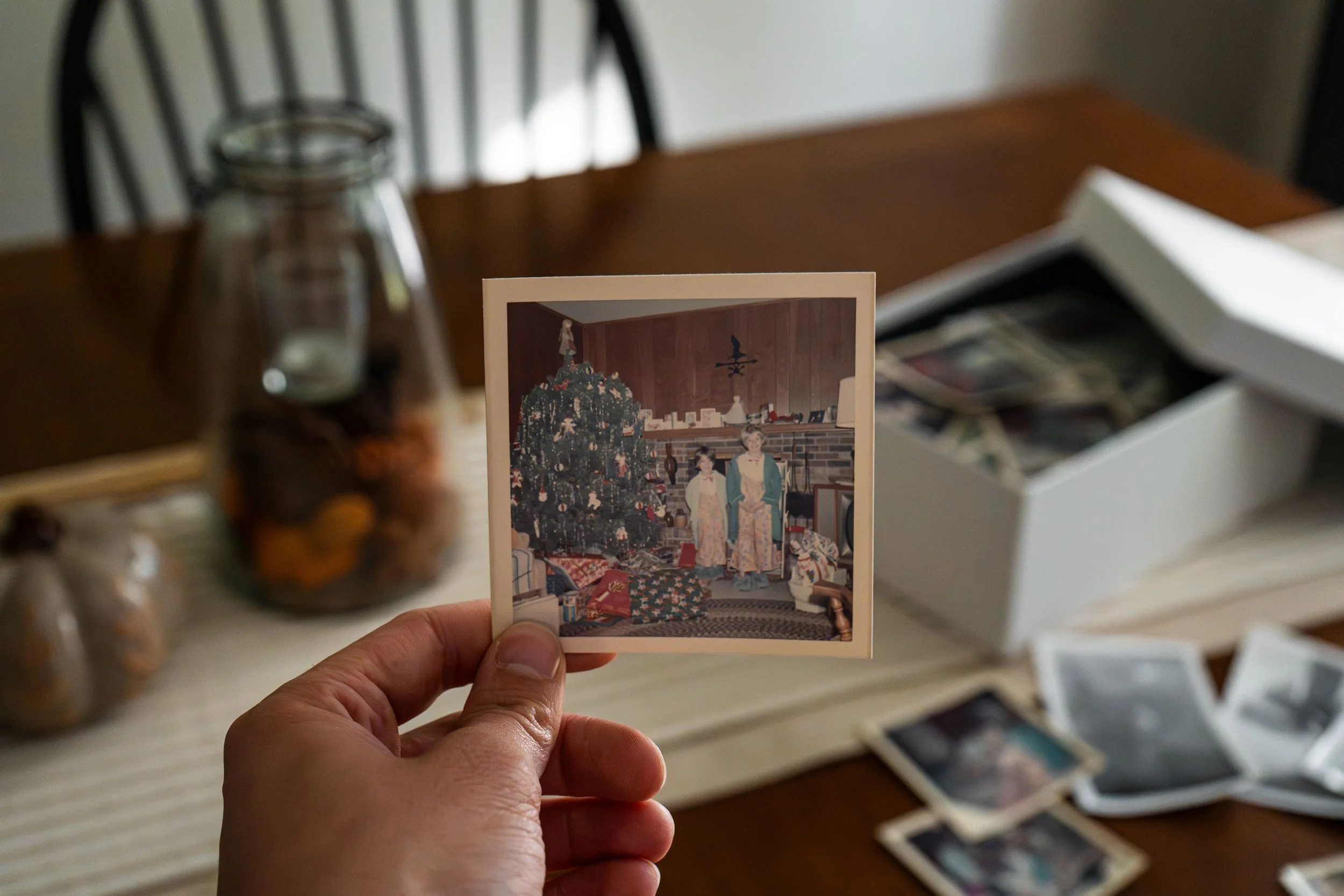
A song begins, an old photograph appears, or you smell something that belongs to another time. For a moment, the past feels unusually close. Then the memory leaves you with an ache that is difficult to explain.
Nostalgia is often described as comforting. It can reconnect you with people, places, identities, and experiences that gave your life meaning. It can also make absence unmistakable.
You may not want the past back exactly as it was. You might remember its problems clearly. Still, you miss who was there, who you were, what seemed possible, or the feeling of belonging to a life that no longer exists.
That pain is not evidence that you are failing to appreciate the present. Nostalgia is a mixed emotional experience. Warmth and grief can arrive together because a meaningful memory contains both what you had and the knowledge that time has changed it.
Nostalgia Is More Than Remembering
Ordinary memory tells you that something happened. Nostalgia adds longing.
The memory usually connects to a personally meaningful period, relationship, place, routine, or version of yourself. You do not only recall the summer evening, childhood kitchen, university apartment, old friendship, or family tradition. You briefly re-enter the emotional world surrounding it.
Research describes nostalgia as a bittersweet or mixed emotion rather than a purely pleasant one. It can support belonging, meaning, and a sense of continuity across life. In everyday experience, however, it can also occur alongside loneliness, sadness, or uncertainty.
This helps explain why nostalgia can feel nourishing one day and destabilizing the next. The memory has not necessarily changed. Your present needs, losses, and emotional capacity may have.
You May Be Grieving More Than the Event Itself
A memory rarely represents only one moment.
A photograph of an old home may contain family, neighbourhood, safety, conflict, cultural identity, and the period before a major loss. A song from your teens may carry friendships, freedom, embarrassment, hope, and a body that felt different. A holiday tradition may represent people who are no longer alive or relationships that no longer feel close.
When nostalgia hurts, you may be grieving an entire network of meaning.
You might miss the person you were before illness, burnout, trauma, migration, parenthood, divorce, or bereavement. You may miss an imagined future that seemed available then. You may grieve the simplicity you now attribute to a time that was not actually simple while you lived it.
The trigger can be small because what it holds is large.
Memory Does Not Return the Past Exactly
Autobiographical memory is not a recording played back without change. Remembering is reconstructive. Your mind selects details, connects them with present knowledge, and gives the event meaning from where you stand now.
This does not make the memory false. It means the past is being remembered by the person you have become.
Nostalgia often gathers emotionally important details while allowing ordinary frustration, boredom, uncertainty, and inconvenience to fade into the background. You remember the friends around the table but not the argument earlier that day. You remember how alive a city felt but not the financial stress, loneliness, or exhausting commute.
At other times, painful experiences dominate and make it hard to access what was good.
You do not need to correct every memory into an objective account. It can be helpful, however, to hold nostalgia with complexity. The time may have been meaningful and difficult. You can miss part of a life without deciding the entire period was better than the present.
Sensory Cues Can Make the Past Feel Immediate
Music, scent, taste, weather, clothing, and familiar places can evoke memory before you consciously understand what is happening.
You hear the first few notes of a song and feel pressure in your chest. A particular soap makes you think of your grandmother's bathroom. The first cold morning of autumn brings back a school year, a relationship, or a home you left decades ago.
Sensory experiences are often woven into autobiographical memories. Because the reaction can be quick and physical, nostalgia may feel less like thinking about the past and more like suddenly standing inside it.
The body may respond with warmth, tears, heaviness, restlessness, a lump in the throat, or an urge to reach for someone. You may need time to identify what the cue awakened.
There is no requirement to interpret every reaction immediately. Sometimes it is enough to notice, “This belongs to something important.”
Nostalgia Often Becomes Stronger During Change
Transitions can make earlier chapters of life feel more emotionally available.
Moving, becoming a parent, ending a relationship, changing careers, approaching a milestone birthday, losing someone, or watching children grow can sharpen your awareness of time. Even a welcome change may reveal that a previous identity or way of living is ending.
During uncertain periods, the past can look stable because its outcome is already known. You know who was there, what happened next, and how the story fits together. The present has not yet become a story. It is unfinished and therefore harder to organize.
Longing for the past can be a way of reaching for continuity when life feels unfamiliar.
This does not mean you should return to an old relationship, career, city, or role. It may mean you need help identifying what quality from that period is missing now. Perhaps you miss community, creativity, spontaneity, cultural familiarity, purpose, or being cared for.
The memory can point toward a need without providing literal instructions.
You May Miss a Version of Yourself
Sometimes the deepest longing is not for a person or place. It is for who you remember being there.
You might miss feeling adventurous, attractive, hopeful, physically capable, socially connected, or less burdened by responsibility. You may look at older photographs and feel disconnected from the person in them, as though you are grieving someone who still technically exists.
This can be especially painful after trauma, chronic illness, caregiving, depression, burnout, or a major role change. The contrast between then and now may become evidence in a harsh story that your best life is behind you.
But the self in the photograph did not know everything you know now. They may have carried pain that the image cannot show. You also do not need to become that exact person again in order to recover qualities you valued.
Ask what you associate with that version of yourself. Was it curiosity, play, closeness, movement, style, courage, or possibility? Some of those qualities may be expressed differently in your current life.
The goal is not to recreate an earlier self perfectly. It is to understand what the longing is trying to preserve.
Childhood Nostalgia Can Hold Safety and Pain Together
Childhood memories can be especially layered.
You may miss a family home even if frightening things happened there. You may long for a parent who also hurt or disappointed you. You may remember neighbourhood freedom, familiar foods, pets, cousins, or celebrations alongside neglect, conflict, instability, or feeling unseen.
Missing what was good does not erase what caused harm.
Likewise, naming harm does not require you to discard every warm memory. People sometimes feel disloyal to themselves when affection for the past appears. They worry that nostalgia means the experience was not serious or that they should reconnect with someone from whom they need distance.
Emotional memory does not follow that kind of binary logic.
You can miss a person and maintain a boundary. You can love a place and recognize that it was unsafe. You can grieve the childhood you had and the childhood you needed.
Migration and Cultural Change Can Deepen Nostalgia
When you move away from a country, community, language, or culture, nostalgia may involve more than personal memory.
Food, humour, music, climate, social customs, religious practices, landscapes, and ways of speaking can all carry belonging. In a new environment, parts of you may require explanation that once felt effortless.
You may long for home while also remembering why you left. Returning may not resolve the feeling. The place has changed, people have changed, and you have changed. You may discover that the home in your memory no longer exists in the same form.
This can create a grief without a simple location. You belong to more than one world and may feel fully located in none of them.
Maintaining language, food, music, rituals, or relationships can support continuity, but these practices do not have to prove loyalty or recreate the past perfectly. Culture can remain alive while changing with you.
Social Media Can Turn Memory Into Constant Comparison
Digital archives give you access to more of your past than previous generations had.
A platform reminds you what happened ten years ago. Old messages remain searchable. Photographs of former friends, partners, homes, and bodies sit beside current updates. You can see what people from an earlier chapter are doing without being part of their lives.
This access can feel meaningful. It can also turn a passing memory into repeated monitoring.
You may compare a curated image from the past with the full complexity of your present day. You notice youth, novelty, and closeness but cannot see the uncertainty outside the frame. You might begin checking an old person's account not because contact would be healthy, but because the activity briefly reduces the distance from that time.
Consider how you feel after engaging with old content. Do you feel connected, grateful, and grounded? Or do you feel pulled away from your current life, preoccupied with someone unavailable, or convinced that meaningful experience has ended?
You are allowed to keep photographs and memories while changing how often an algorithm places them in front of you.
Painful Nostalgia Does Not Always Mean You Want to Go Back
Longing is not the same as a plan.
You can miss an old relationship while knowing it was unsustainable. You can miss being a young parent without wanting another baby. You can remember school fondly without wanting to relive adolescence. You can grieve a former career and remain committed to the path you chose afterward.
The mind can honour what mattered without requesting its restoration.
Confusion often arises when you treat emotion as a decision. If missing someone means you must contact them, or missing a place means moving back, the feeling becomes urgent and frightening.
Try allowing the longing to provide information rather than commands. What did that chapter offer? What ended? What remains valuable? What would returning actually involve, including the reasons you left?
A feeling can deserve attention without determining your next action.
When Nostalgia Becomes Rumination
Nostalgia may move into rumination when attention repeatedly circles the past without creating understanding, connection, or movement.
You replay alternate decisions, compare every present relationship with a former one, or spend hours reviewing old photographs and messages. The past becomes increasingly idealized while the present feels flat by comparison.
This pattern often attempts to solve something. You may be looking for proof that you were once loved, trying to identify when life changed, or searching for a route back to a lost identity.
The checking can provide a moment of closeness followed by greater absence.
Rather than criticizing yourself for being stuck, ask what the repetition is trying to supply. Is it soothing, certainty, belonging, stimulation, grief, or contact? A more direct response to that need may be possible.
If rumination is affecting sleep, work, relationships, daily care, or your ability to participate in the present, counselling can help you process the loss without demanding that you stop caring about the past.
Making Room for Memory Without Living Inside It
You do not have to choose between erasing the past and remaining organized around it.
Consider giving memory a deliberate form. You might create an album with context rather than scrolling through an unstructured archive. Cook a family recipe, write about a former home, make a playlist, visit a meaningful place, or tell someone the story behind an object.
Ritual can turn an intrusive pull into chosen remembrance.
It can also help to identify what is available now. If you miss a community, is there one relationship you could deepen? If you miss creativity, what small form could it take this week? If you miss cultural familiarity, where could you hear your language, eat familiar food, or participate in a tradition?
The present will not replace the past. It can, however, include values and forms of connection that the memory helps you recognize.
How Counselling Can Help With Painful Nostalgia
Counselling can provide space to explore what a memory represents without reducing it to a symptom that needs to disappear.
Narrative therapy may help you understand how different chapters of your life connect and how the past continues to shape identity. Grief counselling can make room for losses that do not fit a conventional bereavement, including former selves, communities, cultures, relationships, abilities, and imagined futures.
Somatic and body-aware therapy can help when memories arrive through physical sensation before words. You may learn to notice the warmth, constriction, heaviness, or activation that accompanies a trigger and remain connected to the present while allowing emotion to move.
Attachment-based and emotion-focused work may support the grief of lost relationships and belonging. Therapy can also help distinguish longing from a realistic desire to reconnect, especially when the past included both care and harm.
The aim is not to make meaningful memories emotionally neutral. It is to help you remember without losing access to the life happening now.
Counselling for Grief and Life Transitions in British Columbia
Tidal Trauma Centre offers in-person counselling at our Cloverdale office in Surrey, easily accessible from Langley, Delta, and White Rock. Online therapy is available across British Columbia, including Vancouver, Victoria, Kelowna, Prince George, and rural communities.
Our registered clinical counsellors support adults and youth navigating grief, life transitions, trauma, identity changes, loneliness, emotional disconnection, and complicated relationship loss.
Let the Past Matter Without Losing the Present
Painful nostalgia may be carrying love, belonging, identity, grief, and awareness of time in the same memory. Counselling can help you understand what you miss, honour what mattered, and bring the values within the memory into a life that cannot be identical but can still become meaningful.
Tidal Trauma Centre offers in-person trauma-informed counselling at our Cloverdale, Surrey office and online therapy across British Columbia.
Contact us or fill out a New Client Form to be matched with one or more of our therapists. If you are ready, book a free consult or appointment.
-
Nostalgia often holds warmth and loss at the same time. A memory can reconnect you with love, belonging, possibility, or a former identity while reminding you that the exact moment cannot be repeated.
Tears may reflect several emotions rather than simple sadness. You might feel gratitude, longing, relief, loneliness, or tenderness together. Crying is one possible response, but not crying does not mean the memory matters less.
-
Not necessarily. People can value their current lives and still miss earlier relationships, places, roles, or versions of themselves. Meaningful change often involves gain and loss at once.
It may be worth looking more closely if the past consistently feels like the only place where life had meaning or if comparison prevents you from engaging with the present. That pattern may reflect unresolved grief, depression, loneliness, or a current need that deserves attention.
-
Sensory cues can become closely associated with people, places, and emotionally important periods. When you encounter the cue again, multiple elements of the memory may become active quickly, including feelings and body sensations.
The reaction can feel surprising because it begins before you have consciously identified the connection. Pausing to orient to your current surroundings can help you hold both the memory and the present moment.
-
It can be either supportive or difficult, and often it is mixed. Nostalgia may strengthen meaning, identity, and connection. It may also intensify loneliness, idealization, or rumination.
Look at what happens afterward. If remembering helps you feel grounded or connected, it may be serving a useful function. If it repeatedly leaves you unable to participate in current life, additional support may help.
-
Missing someone does not automatically mean renewed contact would be welcome, safe, or healthy. Consider why the relationship ended, whether either person requested distance, what you hope contact will provide, and how you would manage no response.
Sometimes nostalgia identifies a real wish for reconnection. At other times, the person represents a period, identity, or need that cannot be restored through one conversation.
-
Try adding context rather than attacking the memory. Write down what was meaningful alongside what was difficult, limited, or unknown at the time. Remember that you are comparing selected moments from the past with the unedited present.
You can preserve what was good without concluding that nothing good can happen again. Ask which qualities from that chapter can be expressed in a form that fits your life now.
-
Yes. Time does not automatically integrate every loss. A later transition, anniversary, sensory cue, or developmental stage can give an old experience new meaning.
Counselling can help you understand why the past feels active now, grieve what was lost, and reconnect memory with present choice. You do not need to prove that the grief is recent enough to deserve attention.
You Might Also Be Interested In:
Blogs
When Grief Has No Timeline: Why Loss Doesn’t Move in Straight Lines
The Many Faces of Grief: How Loss Can Show Up Long After the Event
Living With Loss: How Therapy Supports Grief Without Rushing Healing
Life Transitions and Therapy: How Counselling Can Support You Through Change
Services
Disclaimer: The content on this website is for informational purposes only and does not constitute medical, psychological, or mental health advice. It is not a substitute for professional care. Always consult a qualified healthcare provider for diagnosis and treatment.