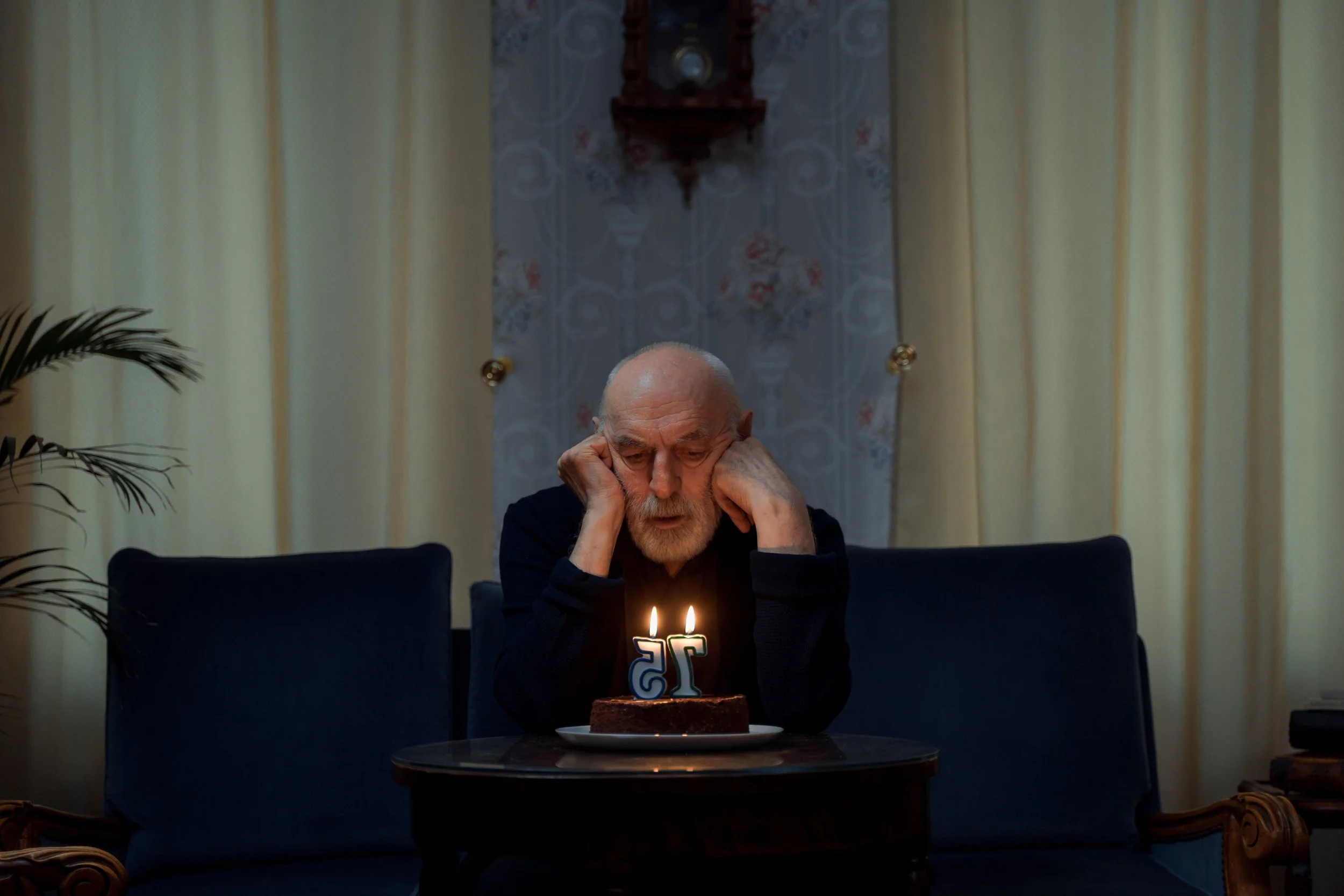
Your birthday is approaching, and people keep asking what you want to do.
You give a vague answer. Maybe dinner. Maybe nothing. You say you have not decided, but you have already been thinking about it more than you want to admit.
Part of you hopes someone will plan something meaningful without being asked. Another part wants the day to pass without attention. You imagine who will remember, who might not, and whether you will feel disappointed even if people try.
By the time the day arrives, it can feel less like a celebration and more like an emotional test.
Birthdays are often presented as uncomplicatedly happy. They are supposed to involve gratitude, connection, celebration, and excitement about the year ahead. When the day brings sadness, anxiety, irritability, grief, or numbness instead, people may feel confused or ashamed.
There is nothing unusual about a meaningful date carrying more than one emotion. Birthdays can draw attention to time, relationships, ageing, identity, loss, and the distance between the life you expected and the one you are living now.
The pressure to enjoy the day can make all of this harder to acknowledge.
Birthdays Act Like Emotional Markers in Time
A birthday divides life into a before and an after. Even if you do not care much about age, the date can invite reflection.
What changed this year? What did not? Am I where I thought I would be? What have I lost? What am I still waiting for?
Research describes birthdays as temporal landmarks, dates that can shape how people organize the past and imagine the future. A birthday may make the previous year feel like a completed chapter and the next one feel like a new period that should have direction.
This can be motivating, but it can also create pressure. Instead of noticing gradual growth, you may evaluate your life against a deadline. You expected to have a partner, a child, a home, a different career, better health, more money, or greater certainty by this age.
The birthday does not create every disappointment. It makes the passage of time harder to ignore.
You may judge yourself for goals that were shaped by circumstances outside your control. Illness, trauma, caregiving, discrimination, financial strain, infertility, relationship loss, or simply needing more time may have changed what was possible.
A date on the calendar cannot measure the complexity of what it took to reach it.
The Pressure to Feel Happy Can Intensify Difficult Feelings
There is a social script for birthdays. You should feel special. Other people should show up. The plans should be enjoyable. Photos should look happy. You should be grateful for another year.
If your actual feelings do not match that script, the mismatch can become painful.
You may wake up sad and immediately tell yourself you are ruining the day. You might feel anxious during a celebration because you are monitoring whether everyone is having a good time. You may force enthusiasm because other people made an effort and you do not want to disappoint them.
This creates two emotional tasks. You are managing the feelings themselves while also performing the version of a birthday you believe everyone expects.
The informal phrase “birthday blues” is sometimes used to describe sadness or low mood around a birthday. It is not a diagnosis, and not everyone experiences it in the same way. For some people, the reaction is brief. For others, the birthday activates grief, trauma, depression, anxiety, or loneliness that deserves more attention.
You do not have to be happy because the date is supposed to be happy. Allowing the day to be emotionally honest may reduce the pressure to turn it into proof that your life is going well.
Unspoken Expectations Can Make the Day Feel Like a Test
Birthdays often contain expectations that have never been clearly communicated.
You may want your partner to plan something without being asked because being asked makes it feel less meaningful. You may hope a particular friend remembers because their message would confirm that the relationship still matters. You may tell everyone you want nothing while privately hoping someone understands that you do not mean literally nothing.
These wishes are understandable. Birthdays can create a desire to feel known without having to direct the experience yourself.
The difficulty is that other people may not know which details matter. Some families treat birthdays as major events. Others barely acknowledge them. One person expresses care through elaborate plans, while another believes a simple message is enough.
When expectations remain unspoken, every action becomes evidence. A late message means they forgot me. A practical gift means they do not know me. A quiet dinner means I am not important enough for more.
Sometimes the disappointment reveals a genuine relationship problem. A person may repeatedly ignore what matters to you, minimize your needs, or expect you to plan every celebration for everyone else while making no effort for yours.
At other times, the pain comes from asking one day to answer a much larger question: Do I matter to people?
No birthday plan can fully settle that question. It may, however, reveal where you want more communication, reciprocity, and care throughout the rest of the year.
Social Media Can Turn a Personal Day Into a Public Comparison
Birthdays are increasingly visible. Social media may show surprise parties, romantic trips, elaborate cakes, large groups of friends, and long public tributes.
You may compare that edited celebration with your private day. Even if you did not want a party, seeing someone else surrounded by people can create a sudden sense of lack.
The number of messages can begin to feel like a measure of social worth. You notice who posted, who sent a private message, who used an automatic reminder, and who said nothing. You may spend the day checking your phone while becoming more disappointed each time you look.
Online attention is not a reliable measure of closeness. Some meaningful relationships are quiet. Some public birthday posts are habitual or performative. But when you already feel uncertain about belonging, the visible comparison can still hurt.
It may help to decide how much access social media will have to the day. Turning off notifications, limiting checking, or staying away from platforms is not avoiding reality. It can protect the birthday from becoming a running social score.
Birthdays Can Activate Grief
Special dates often make absence more visible.
You may miss the parent who always called first, the partner who used to plan the dinner, the friend who knew exactly what cake you liked, or the pet who was present in every birthday photo for years.
The grief may return even if the loss happened long ago. Research on special occasions and bereavement suggests that meaningful dates can reactivate grief, anxiety, or depressive symptoms for some people. The reaction does not mean you have failed to heal. The date has touched a relationship and a ritual that mattered.
Birthdays can also bring grief for people who are alive but absent. Family estrangement may feel sharper. A former partner may be missing from a tradition you shared. A friendship that ended may become noticeable when their message does not arrive.
There can be grief for the family experience you never had. If birthdays were ignored, chaotic, or used as opportunities for conflict, you may still long for the kind of celebration other people seemed to receive naturally.
The loss is not always one person. It may be the experience of being remembered, protected, or celebrated without having to earn it.
Childhood Birthdays Can Shape Adult Expectations
Adult birthday reactions often make more sense when you look at what birthdays meant earlier in life.
Perhaps celebrations were warm and dependable, and adult birthdays now highlight the loss of that family closeness. Perhaps birthdays were unpredictable because a caregiver was intoxicated, emotionally volatile, absent, or fighting with someone. You learned not to hope for too much because hope made disappointment worse.
Some children were expected to perform gratitude regardless of what happened. A gift could later be used to demand obedience. A party may have centred the parent’s preferences rather than the child’s. Attention came with pressure, embarrassment, or the expectation to make everyone else feel appreciated.
Others had little control over being watched, photographed, touched, or placed at the centre of a room. As adults, they may dislike surprises or public singing without fully understanding why.
If your birthday was repeatedly disappointing, you may approach the day defensively. You say you do not care. You make no plans. You reject offers before anyone can let you down.
Avoiding expectations can reduce immediate risk, but it may also prevent you from asking for an experience that fits you better now.
The goal is not to recreate an ideal childhood birthday. It is to recognize that you have more choice over how the day is structured and who is allowed to participate.
Ageing Can Bring Identity, Body, and Mortality Into Focus
Ageing is not emotionally neutral in a culture that treats youth as a form of value.
A birthday may draw attention to physical changes, health concerns, fertility, menopause, disability, energy, or the sense that time is moving faster. Even someone who believes ageing is natural may have complicated feelings about what it means in their own body.
Gender expectations can intensify this. Women may receive messages that attractiveness, fertility, and relevance decline with age. Men may feel pressure to measure age against career status, financial success, or physical strength. LGBTQ+ people, people with disabilities, and those whose lives did not follow conventional timelines may feel particularly disconnected from standard milestone narratives.
There can also be gratitude. You may feel relieved to be older, safer, more independent, or less controlled by other people’s expectations. The birthday can mark survival, freedom, or a growing sense of self.
Mixed feelings are not hypocrisy. You can value the life you have and grieve what ageing changes. You can be grateful to be alive and still feel frightened by time.
Milestone Birthdays Can Amplify the Life You Expected
Certain ages carry cultural meaning. Eighteen, twenty-one, thirty, forty, fifty, sixty-five, and other milestones are treated as points when particular achievements should already be in place.
By thirty, you should know who you are. By forty, your career and relationships should be settled. By retirement age, you should be financially secure and ready to enjoy the life you built.
Real lives rarely follow such clean stages.
A milestone birthday may arrive during divorce, unemployment, grief, infertility, chronic illness, caregiving, legal stress, or a major transition. You may feel embarrassed that the visible facts of your life do not match the version you once imagined.
This is not only comparison with other people. It can be comparison with your younger self.
The younger version of you did not know what would happen, what support would be available, or what you would have to survive. Their timeline was an expectation, not a contract.
It can be useful to ask not only, “Where did I think I would be?” but also, “What did I not know I would have to carry?”
Loneliness Can Feel Sharper on a Birthday
Loneliness is not simply being physically alone. It is the gap between the connection you want and the connection you experience.
You may spend your birthday with people and still feel unseen. The gathering may be full, but no one asks how you are. The plans may reflect what other people enjoy. You may perform gratitude while feeling emotionally absent from your own celebration.
Alternatively, you may genuinely want a quiet day but worry that other people will interpret it as evidence that you have no friends. Social expectations can make solitude feel shameful even when it is chosen.
The hardest birthdays may involve waiting. You leave the day open in case someone reaches out. You avoid making your own plan because doing so seems to confirm that no one else will.
Making a plan for yourself does not mean your relationships have failed. It gives the day structure that does not depend entirely on other people reading your mind.
That plan can still include asking someone to join you. Directly saying, “I would like to have dinner with you on my birthday,” may feel vulnerable. It is also clearer than testing whether they will guess.
Wanting No Celebration Can Be a Real Preference
Not everyone wants attention on their birthday. Some people prefer an ordinary day, private reflection, one familiar person, or no acknowledgement at all.
This preference does not always need to be analysed. You may dislike crowds, surprises, gifts, public attention, or having plans made for you. Neurodivergent people may find the social and sensory demands of a traditional birthday exhausting.
The distinction is whether the choice feels like a preference or a defense against disappointment.
If you genuinely feel relieved by a quiet day, that matters. If you say you want nothing while hoping someone will prove you wrong, the day may contain an unspoken need that deserves acknowledgement.
You can want a small birthday without pretending birthdays are meaningless. You can decline a party and still ask for care in another form.
The celebration should fit the person, not the cultural script.
What Can Make a Difficult Birthday More Manageable
Begin by deciding what you want the day to hold, rather than what a birthday is supposed to look like. You may want connection, rest, pleasure, remembrance, privacy, novelty, or simply less pressure.
Be specific where other people are involved. If you want a card, dinner, no surprise, a particular cake, or a quiet evening, saying so gives the people who care about you a fair chance to respond. Being known often requires revealing something.
You can also give grief a place in the day. Visit a meaningful location, make a favourite meal, look at photographs, light a candle, or speak the person’s name. Grief may become more manageable when it is acknowledged rather than treated as an interruption to the celebration.
Limit the parts of the day that encourage comparison. Social media, large gatherings, or waiting for messages may not support you. Choose how and when you engage rather than allowing notifications to set the emotional rhythm.
It may help to reduce the demand that the birthday resolve the entire year. One disappointing day does not prove that no one cares. One lovely celebration does not erase loneliness or grief. A birthday can be meaningful without carrying the full weight of your identity and relationships.
If the day is consistently difficult, plan support before it arrives. Schedule a therapy session, tell a trusted person what tends to happen, or leave space the following day if you often feel emotionally exhausted afterward.
How Counselling Can Help With Birthday Anxiety or Sadness
Counselling can help you understand what the birthday has come to represent.
For one person, the central issue may be grief. For another, it may be fear of ageing, family trauma, loneliness, social comparison, or the pressure of unmet milestones. The same outward reaction can come from very different emotional histories.
A therapist can help you identify expectations that remain unspoken and decide which ones you want to communicate. You may explore why asking directly feels less meaningful, why receiving attention feels uncomfortable, or why disappointment quickly becomes a global conclusion about your worth.
If birthdays were unsafe or chaotic earlier in life, trauma-informed therapy can help separate present-day choices from old expectations. Somatic work may support you in noticing the physical activation that arrives before the date. IFS-informed therapy may help you understand the parts that hope, withdraw, compare, or insist that the day does not matter.
Counselling can also make room for grief and identity changes without forcing gratitude. You do not need to defend why ageing, a missed milestone, or someone’s absence affects you.
The goal is not to make every birthday happy. It is to help the day feel less controlled by pressure, avoidance, and meanings you have never had space to examine.
Counselling for Birthday Anxiety, Grief, and Low Mood in Surrey and Online Across British Columbia
Tidal Trauma Centre offers in-person counselling at our Cloverdale office in Surrey, easily accessible from Langley, Delta, and White Rock. Online therapy is also available across British Columbia, including Vancouver, Victoria, Kelowna, Prince George, and rural communities.
You do not have to wait for the birthday to become a crisis before talking about why it feels difficult.
Make Room for the Birthday You Actually Need
If birthdays bring pressure, grief, anxiety, or disappointment instead of uncomplicated happiness, counselling can help you understand what the day represents and create an experience that fits your actual needs. Tidal Trauma Centre offers in-person counselling at our Cloverdale, Surrey office and online therapy across British Columbia.
Contact us or fill out a New Client Form to be matched with one or more of our therapists. If you’re ready, book a free consult or appointment.
-
Yes. Birthdays can draw attention to ageing, relationships, loss, identity, and whether life matches your expectations. Anxiety may build before the day because you are anticipating attention, disappointment, social plans, or difficult memories.
The reaction does not automatically indicate a mental health condition. Consider additional support if the sadness or anxiety is intense, lasts well beyond the birthday, repeatedly affects your functioning, or appears alongside ongoing symptoms of depression, trauma, or significant anxiety.
-
The effort may not address the need underneath the birthday. You may want to feel known, prioritized, remembered without prompting, or cared for in a particular way. A celebration can be objectively thoughtful and still miss what matters emotionally.
It may also be carrying expectations that no single day can meet. If you have felt overlooked throughout the year, a birthday dinner may not repair the larger pattern. Counselling can help distinguish between a specific preference that needs clearer communication and a deeper relationship need that requires attention beyond the birthday.
-
Birthdays are tied to rituals and relationships. Someone may have called every year, planned the celebration, made a particular meal, or shared a long history of birthdays with you. Their absence becomes more visible when the expected ritual does not happen.
Meaningful dates can reactivate grief even years after a loss. This does not mean you have returned to the beginning. It means the birthday has touched a bond and a tradition that still matter. Making deliberate room for remembrance can sometimes feel easier than trying to keep grief out of the day.
-
You are not required to have a party or enjoy being the centre of attention. A quiet or ordinary birthday may genuinely fit your personality, sensory needs, culture, or current capacity.
Consider whether the choice feels freeing or protective. If avoiding the birthday helps you escape the possibility of disappointment while leaving you sad that no one did anything, there may be an unspoken need worth acknowledging. You can choose a small celebration, ask for one specific form of care, or decide that the day will be private without dismissing its emotional significance emotional.
-
Yes. Therapy can help identify what the birthday activates, whether that is grief, family history, loneliness, fear of ageing, social comparison, trauma, or unmet expectations. A counsellor can help you plan for the date, communicate needs more clearly, and respond to difficult emotions without forcing yourself to perform happiness.
“Birthday depression” is not a formal diagnosis. If low mood, hopelessness, loss of interest, sleep changes, or other depressive symptoms continue beyond the birthday or significantly affect daily life, a qualified healthcare provider can assess the broader pattern and discuss appropriate support.
You Might Also Be Interested In:
Blogs
Services
Disclaimer: The content on this website is for informational purposes only and does not constitute medical, psychological, or mental health advice. It is not a substitute for professional care. Always consult a qualified healthcare provider for diagnosis and treatment.