What Healthy Co-Regulation Can Look Like at Home
When Co-Regulation Is Needed Most
Co-regulation matters most in the moments parents often feel least prepared for. A child melting down at bedtime when everyone is tired. A school morning where getting dressed feels impossible. A teenager shutting their door after a sharp exchange and refusing to talk. These moments are not parenting failures. They are signals that a child’s nervous system needs support before anything else can happen.
Families in Surrey, Cloverdale, and Langley often come to counselling asking what co-regulation is supposed to look like in real life. They have read about it, heard the term, and tried to stay calm, yet still feel unsure whether they are helping or making things worse. Healthy co-regulation is not about eliminating distress. It is about helping a child move through distress with connection rather than isolation.
What Co-Regulation Actually Is
Co-regulation is the process by which one nervous system helps another find steadiness. Children do not arrive with the ability to regulate intense emotion on their own. That capacity develops over time through repeated experiences of being met, soothed, and understood by caregivers.
At home, co-regulation is not a technique. It is a relational process. A child borrows the caregiver’s steadiness until they can access their own. This borrowing happens through tone of voice, facial expression, pacing, proximity, and consistency far more than through words or explanations.
Healthy co-regulation tells a child, at a nervous system level, that distress can be held without rupture.
Why Co-Regulation Is Foundational for Emotional Development
Children learn how emotions work by experiencing them in relationship. When distress is met with calm presence and predictable care, the nervous system learns that intense feelings rise and fall without threatening connection.
Without enough co-regulation, children may stay stuck in patterns of emotional overwhelm, anxiety, shutdown, or behavioural escalation. This is not because they lack discipline or insight. It is because their nervous system has not yet learned how to return to balance safely.
Over time, consistent co-regulation supports the development of self regulation, emotional flexibility, and resilience. Independence grows out of support, not pressure.
What Healthy Co-Regulation Looks Like in Practice
Healthy co-regulation at home is often quiet and unremarkable. It does not require perfect responses or endless patience. It involves showing up in ways that help the child’s nervous system settle.
In practice, this may look like sitting nearby while a child cries rather than demanding calm. It may look like lowering your voice when setting a boundary. It may involve naming an emotion gently, such as saying that something feels really hard right now, without rushing to fix it. It often includes slowing the pace of the interaction so the child’s body can catch up.
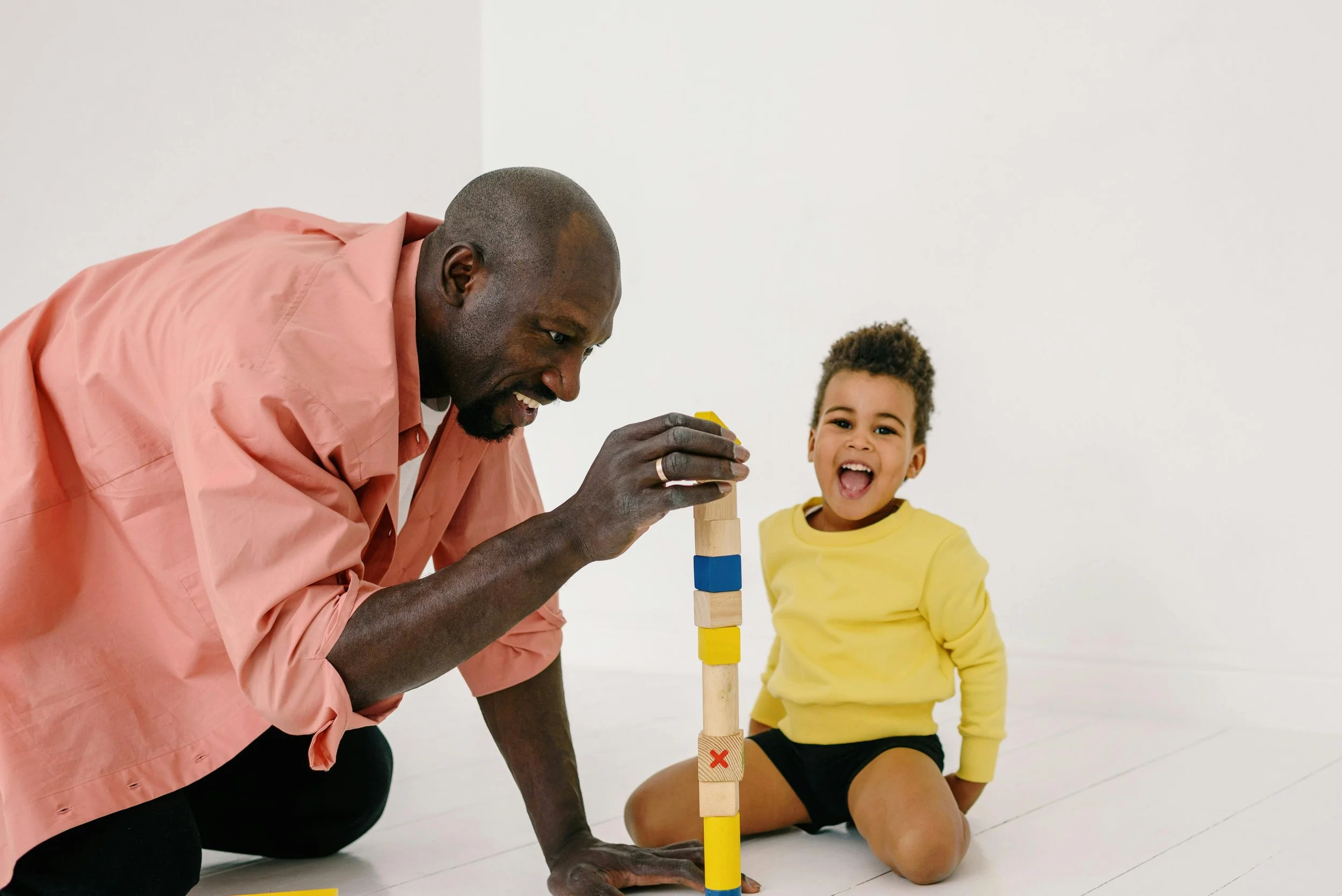
One small example might be a parent kneeling down, keeping their body relaxed, and saying, “We are not in a hurry. I am here with you,” instead of continuing to push the next task. These moments communicate safety far more effectively than explanations.
What Co-Regulation Is Not
Co-regulation is often misunderstood as permissiveness or emotional rescuing. Healthy co-regulation does not mean removing all limits or giving in to stop distress. Boundaries still matter. The difference is how those boundaries are held.
Co-regulation is not lecturing during a meltdown. It is not reasoning when a child is flooded. It is not suppressing your own emotions entirely. It is not fixing feelings as quickly as possible.
Healthy co-regulation allows distress while maintaining connection and structure. Limits can be held calmly, even when a child is upset, without withdrawing or escalating.
How One Nervous System Influences Another
Children’s nervous systems are highly responsive to the nervous systems around them. Tone, facial expression, posture, and pace are constantly being read for cues of safety or threat. When a caregiver remains relatively regulated, the child’s system receives signals that it can begin to settle.
This does not require perfect calm. It requires enough steadiness and predictability. A slower voice, softer eyes, and grounded posture can reduce a child’s arousal even when emotions are intense. Over time, repeated experiences of this external regulation are internalized, supporting the child’s ability to self regulate later on.
This is why what you do with your body and presence often matters more than what you say.
When Co-Regulation Feels Hard or Impossible
Co-regulation is hardest when parents are depleted. Many caregivers feel guilt or shame when they cannot stay regulated during every difficult moment. This expectation is neither realistic nor necessary.
Children do not need perfect regulation. They need repair. Coming back after a hard moment, naming that things escalated, and reconnecting restores safety. These moments of repair teach children that relationships can hold rupture and reconnection.
It is also common for a child’s distress to activate a parent’s own nervous system. This does not mean you are failing. It means your system is responding too. Co-regulation is a relational process that includes both people.
Supporting Co-Regulation as Children Grow
Co-regulation changes as children develop. Young children often need physical proximity and simple language. School aged children may benefit from collaborative reflection once calm has returned. Teens often need quiet presence, respect, and predictability more than direct soothing.
The principle remains the same across ages. Regulation comes before reasoning. Connection supports capacity. Autonomy grows from feeling supported, not managed.
How Therapy Supports Co-Regulation at Home
Therapy helps families understand and strengthen co-regulation in ways that feel realistic and sustainable. At Tidal Trauma Centre, support around co-regulation feels relational, steady, and non judgmental. Parents are not taught scripts. They are supported in understanding their own nervous system responses and their child’s signals.
We draw from somatic therapy to support regulation, IFS informed work to understand emotional patterns, EMDR when appropriate to process distressing experiences, and AEDP and Emotion Focused Therapy to strengthen emotional connection and resilience. Therapy often includes helping parents regulate themselves more effectively, supporting children in developing body based calming strategies, and strengthening communication that supports safety at home.
When Additional Support Can Help
If emotional overwhelm is frequent, intense, or straining family relationships, additional support can be helpful. Therapy is not only for crisis moments. It can support families in building steadier patterns before stress escalates further.
Tidal Trauma Centre offers in person counselling at our Cloverdale Surrey office and online therapy across British Columbia, making support accessible to families in Langley and beyond.
Building Steadier Moments At Home Is Possible
If you are trying to support your child through emotional overwhelm and want guidance that feels grounded and human, support is available.
Contact us or fill out a New Client Form to be matched with one or more of our therapists. If you’re ready, book a free consult or appointment.
-
No. Co regulation is the foundation that allows self regulation to develop. Children learn to regulate themselves through repeated experiences of being regulated by others.
-
This happens to all parents. Repair matters more than perfection. Reconnecting after a hard moment restores safety and models emotional responsibility.
-
Healthy co regulation supports independence. When children feel safe and supported, they develop confidence and self regulation over time.
-
This often means your child feels safest with you. Therapy can help support generalization of regulation skills so children can access steadiness in other relationships too.
-
Yes. Teens may not want overt soothing, but they still benefit from calm presence, predictable responses, and emotional availability.
You Might Also Be Interested In:
Blogs
Services
Disclaimer: The content on this website is for informational purposes only and does not constitute medical, psychological, or mental health advice. It is not a substitute for professional care. Always consult a qualified healthcare provider for diagnosis and treatment.