Why Kids Act Out When They Cannot Express What They Feel
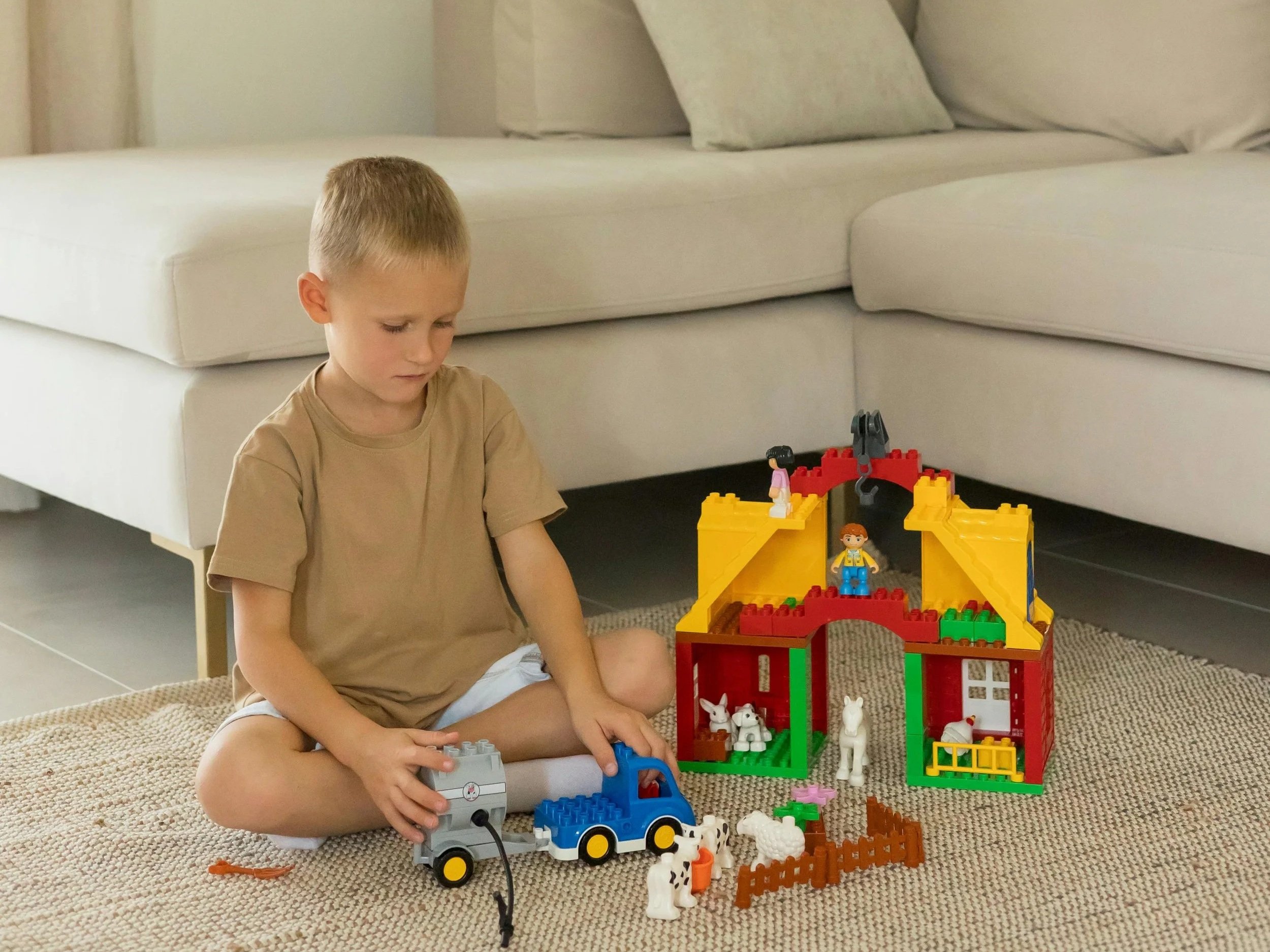
When Behaviour Speaks Louder Than Words
Many parents first notice behaviour before they notice feelings. A child melts down in the grocery store over something small. Another hits a sibling, refuses school, or suddenly shuts down after an otherwise normal day. Parents in Surrey, Cloverdale, and Langley often describe feeling embarrassed, helpless, or unsure how things escalated so quickly.
In these moments, it can feel like behaviour comes out of nowhere. But for many children, behaviour is the message. When a child cannot express what they feel with words, their nervous system finds another way to communicate. Acting out is rarely about defiance or manipulation. It is often the most accessible way a child has to signal distress, confusion, or overwhelm.
Understanding behaviour as communication changes how adults respond and opens the door to meaningful support.
Why Children Struggle to Put Feelings Into Words
Children are still developing the skills required to name and organize their internal experiences. Emotional language, perspective taking, and self reflection take years to mature. Feelings such as shame, fear, grief, or jealousy can be confusing and intense, even for adults. For children, these states can feel overwhelming and wordless.
Some children also face additional challenges. Neurodivergence, sensory sensitivity, anxiety, learning differences, school pressure, or family stress can all increase emotional load. When internal experiences exceed a child’s capacity to process them, verbal expression shuts down and behaviour takes over.
This does not mean children are unwilling to communicate. It means they do not yet have the tools adults expect them to use.
What Happens in the Brain and Body During Acting Out
From a nervous system perspective, acting out often reflects a state of dysregulation. When a child feels overwhelmed or threatened, the brain shifts into survival mode. In this state, areas responsible for language, impulse control, and reasoning become less accessible.
Some children move into sympathetic activation. Energy spikes, emotions escalate, and behaviour becomes loud, impulsive, or aggressive. Other children move into dorsal withdrawal, where they shut down, freeze, or disengage. Both responses are attempts to cope with internal overload.
This is why asking children to explain themselves or use their words during a meltdown usually fails. The capacity for language returns only after the nervous system settles.
How Acting Out Shows Up in Everyday Life
Acting out does not look the same for every child. Some behaviours draw immediate attention, while others are quieter and easier to miss.
You might notice:
Emotional outbursts or frequent meltdowns
Aggression toward siblings, peers, or objects
Defiance, refusal, or constant power struggles
School avoidance or disruptive classroom behaviour
Withdrawal, silence, or emotional numbness
Regressive behaviours such as bedwetting or increased clinginess
These behaviours are not random. They are patterned responses to stress, unmet needs, or nervous system overwhelm.
Why “Use Your Words” Often Makes Things Worse
Many adults encourage children to talk about their feelings. Emotional literacy matters, but expecting verbal expression during dysregulation is unrealistic. When a child is overwhelmed, their body is leading, not their language.
Being told to calm down, explain themselves, or behave differently can increase shame and frustration. It may reinforce the belief that their internal experience is unacceptable or confusing. In some cases, children escalate further because they feel misunderstood or pressured.
Support begins with helping the body feel safe enough to settle. Words come later.
How to Respond in the Moment When a Child Acts Out
Responding to behaviour as communication requires a shift in focus. Instead of asking how to stop the behaviour, adults begin asking what the behaviour is trying to express.
In the moment, helpful responses often include lowering your voice, slowing your movements, and reducing demands. Sitting nearby rather than hovering or withdrawing can help a child feel less alone. Naming what you notice without judgment, such as acknowledging that something feels really hard right now, can help orient the nervous system.
Reducing sensory input, offering quiet presence, or allowing space for movement can also support regulation. These responses do not remove boundaries. They hold limits while prioritizing safety and connection.
What Happens After the Behaviour Matters Too
Once a child’s nervous system has settled, gentle reflection can help build awareness without shame. This might include noticing what helped the body calm down, naming early signs of overwhelm, or talking about what support felt useful.
Recovery also involves rest and predictability. Children who act out often need more downtime, routine, and reduced stimulation to rebuild capacity. These supports are not indulgent. They are protective.
How Therapy Helps Children Express What They Feel
Therapy offers children a space where expression does not rely solely on words. At Tidal Trauma Centre, counselling for children feels slow, attuned, and non demanding. Therapists focus first on safety and regulation, allowing trust to build before expecting verbal insight.
We draw from somatic therapy to support nervous system regulation, IFS informed work to help children understand different emotional parts, EMDR when appropriate to process distressing experiences, and AEDP and Emotion Focused Therapy to support emotional processing and connection. Play, movement, art, and sensory strategies allow children to communicate in ways that feel accessible.
As children feel safer internally, behaviour often shifts naturally and emotional expression becomes more available.
Supporting Parents and Caregivers Through Acting Out
Parenting a child who acts out can bring up doubt, shame, and fear. Many caregivers worry about being judged or about raising a child who will struggle long term. Counselling does not focus only on the child. It also supports caregivers in understanding nervous system responses and responding in ways that feel sustainable.
Parent support may include learning co regulation strategies, understanding patterns that escalate behaviour, reducing self blame, and adjusting expectations to match capacity. When caregivers feel steadier and less alone, children benefit.
When Additional Support Can Help
If acting out is frequent, intense, or interfering with relationships, school, or daily life, therapy can help. Support is especially important when behaviour feels unsafe, unpredictable, or exhausting to manage.
Tidal Trauma Centre offers in person counselling at our Cloverdale Surrey office and online therapy across British Columbia, making child counselling accessible to families in Langley and beyond.
Support For Children Who Struggle To Express Emotions
If your child’s behaviour feels confusing, overwhelming, or hard to manage, support is available.
Contact us or fill out a New Client Form to be matched with one or more of our therapists. If you’re ready, book a free consult or appointment.
-
Often yes, though the source can vary. Acting out usually signals overwhelm, confusion, or unmet needs rather than intentional misbehaviour.
-
What if acting out becomes aggressive or unsafe?
-
This is common. Therapy does not rely only on talking. Play, movement, and creative approaches allow children to engage at their own pace.
-
Boundaries matter. Consequences are most effective when paired with regulation, understanding, and repair rather than punishment alone.
-
Some shifts happen quickly as regulation improves. Deeper patterns take time, consistency, and support.
You Might Also Be Interested In:
Blogs
Services
Disclaimer: The content on this website is for informational purposes only and does not constitute medical, psychological, or mental health advice. It is not a substitute for professional care. Always consult a qualified healthcare provider for diagnosis and treatment.